
Plastic is for records
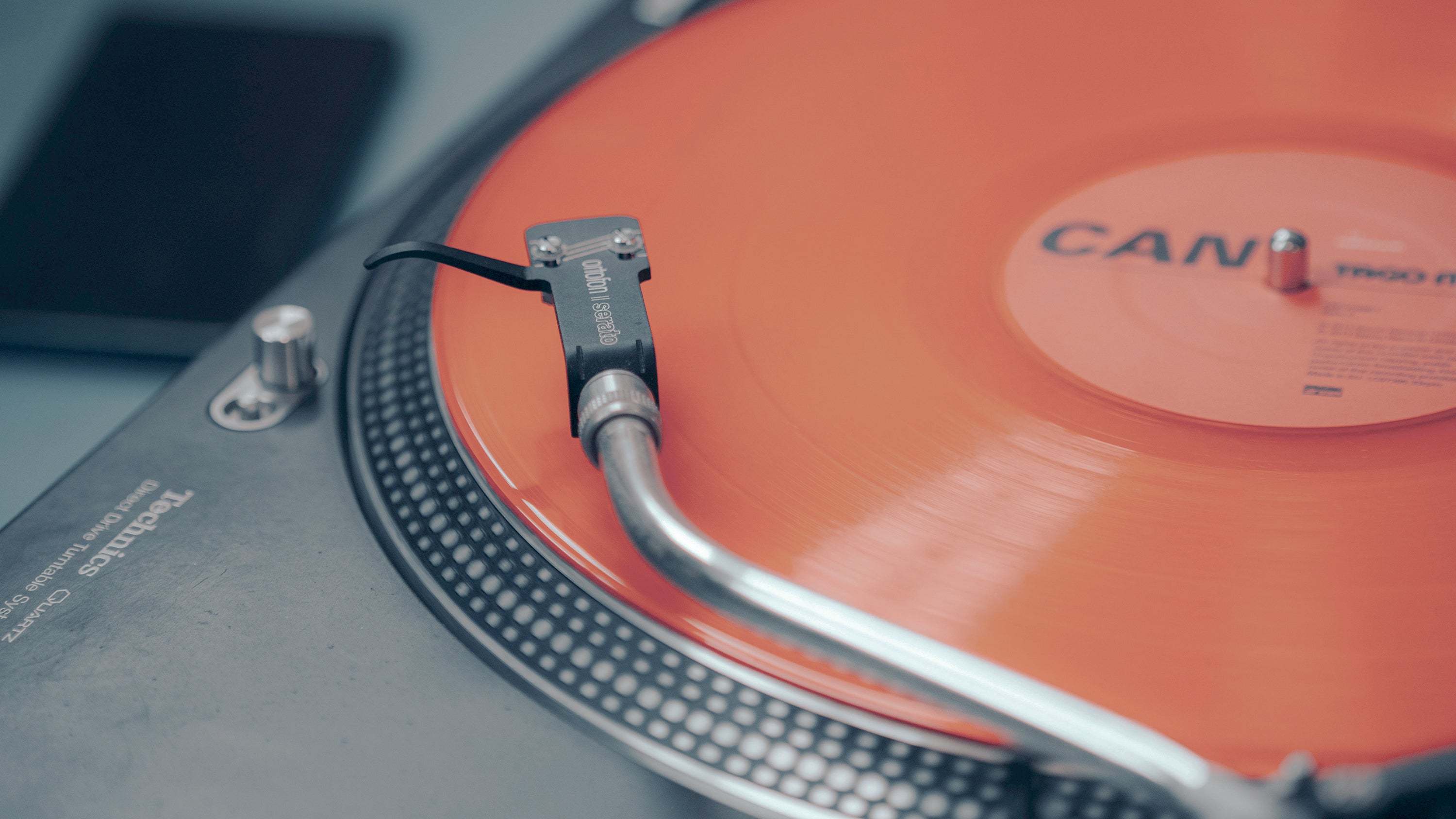
I love vinyl records. I started buying them in the mid-90s, at a time when everyone was getting rid of them. You could find them at flea markets and thrift stores for almost nothing. I listen to them nearly every day. Taking the record out of its sleeve, placing it carefully on the turntable, lowering the lever with precision. A small ritual that is already, in itself, a moment of pleasure.
Yes, it is only a piece of plastic. Yet it carries so much more: history, culture, emotion. This plastic gives life to music.
And that is precisely why it stands in such sharp contrast with the dull, invisible plastic piling up in our wardrobes.
Today, more than 69% of clothing is made from synthetic fibres (1). In sportswear, that figure rises above 99%. Polyester, nylon, elastane, polyamide. Different names for the same reality: plastic. Recycled or not, labelled biodegradable or not, polyester remains plastic. Its environmental and health impacts are still largely minimised. Each year, 92 million tonnes of clothing end up in landfill, while our washing machines release around 500,000 tonnes of microplastics into the oceans (2).
The images we all know, floating waste fields, a turtle with a straw lodged in its nose, are not even the tip of the iceberg. They are barely a trace on its surface.

In May 2024, an American study revealed that around 0.5% of the human brain now consists of plastic particles (3). They enter our bodies through food, air, and skin. They have been found in placentas and breast milk, meaning contamination begins from the very first days of life. Medicine continues to uncover new harmful effects, while plastic production is expected to quadruple by 2050.
We will not transform the textile industry overnight. But we can act, at our own level.
That is the choice we made at Cévène: to remove plastic entirely from our clothing. A simple commitment, but a radical one. Every CVN garment is made exclusively from natural, renewable, and biodegradable materials: wool, cotton, wood.
In an industry saturated with plastic, where habits and supply chains revolve around polyester, this decision has proven more complex than expected.
On this blog, we will share how we work to keep plastic on our turntables, rather than in our closets.
Your Cart